
Ramadan Relief Expansion 2026
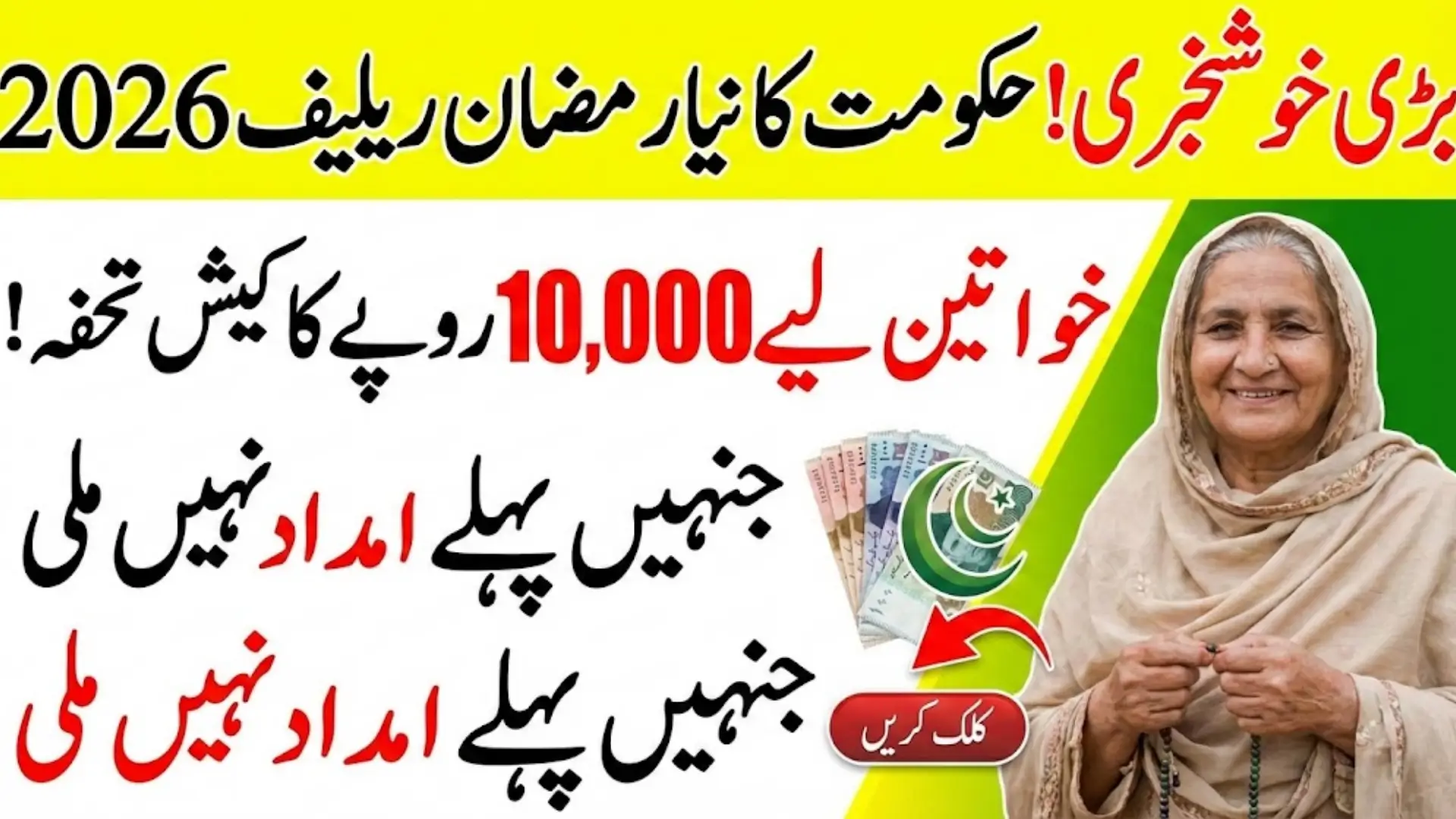
Ramadan Relief Expansion 2026 As Ramadan approaches, the federal government has introduced a significant relief measure aimed at women who have never received formal financial assistance. The program plans to include 5 million women across Pakistan and provide each eligible beneficiary with Rs. 10,000 in direct cash support. This decision reflects growing concern about inflation, rising food prices, and the increasing burden on low-income households during the holy month.
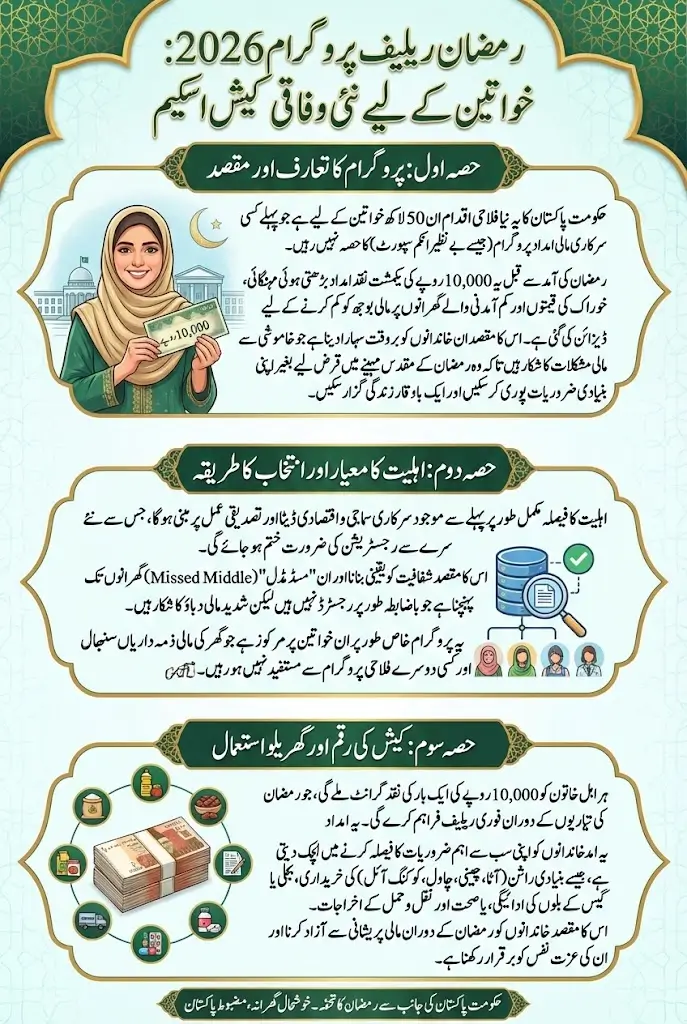
From observations shared by officials and field workers, many families remain financially vulnerable despite previous verification surveys. These households often struggle quietly, managing daily expenses without stable support. The new relief expansion seeks to recognize such families and provide timely assistance so they can meet essential needs without borrowing or sacrificing basic nutrition during Ramadan.
The broader purpose of the initiative is to strengthen social protection coverage and ensure that assistance reaches households previously left outside major welfare programs. By focusing specifically on women, the policy acknowledges their central role in managing household budgets and maintaining family stability.
You Can Also Read: KP Government Announces Increase in Ramadan Relief
Key priorities of the federal relief initiative include:
- Providing immediate financial assistance before Ramadan
- Expanding welfare coverage to unassisted households
- Supporting women responsible for household management
- Reducing financial stress caused by inflation
- Ensuring nationwide inclusion without regional bias
Eligibility Framework for Women Outside Existing Welfare Programs
A defining feature of this program is its focus on women who are not receiving support from the Benazir Income Support Program yet have been identified as financially deserving through official verification processes. Authorities are relying on previously collected socioeconomic data to identify households that face hardship but were not included in earlier assistance lists.
This targeted approach is intended to prevent duplication and improve fairness. Instead of requiring fresh registration from scratch, the program uses existing records to confirm eligibility. The objective is to reach those who genuinely need support while maintaining transparency in distribution.
Field reports suggest that many families fall into a “missed middle” category — households that are not formally registered as beneficiaries but still face daily financial pressure. The relief expansion aims to bring such families into the safety net at least for the Ramadan period.
You Can Also Read: 8070 Registration Online 2026 How to Apply and Check Eligibility
Eligibility focus areas include:
- Women not currently receiving government cash assistance
- Households verified through official socioeconomic testing
- Families experiencing financial hardship or unstable income
- Residents from both rural and urban communities
- Women managing family expenses independently
Cash Assistance Value and Household Utility
Each eligible woman will receive Rs. 10,000 as a one-time cash grant intended to support essential household needs. The assistance is structured as direct relief rather than a recurring payment, ensuring immediate support during Ramadan preparations.
For many households, Ramadan brings increased spending on food, utilities, and transportation. Without support, these expenses can force families to reduce meal quality or rely on borrowing. The cash assistance is expected to help families maintain dignity and stability during the holy month.
Economic observers note that even limited direct cash transfers can have meaningful impact in low-income households. The grant provides flexibility, allowing families to decide their most urgent needs rather than restricting assistance to specific goods.
You Can Also Read: PSER Online Registration 2026 To Avail Ramzan Package
Household expenses commonly supported through this grant:
- Purchase of basic food items such as flour, sugar, rice, and cooking oil
- Payment of electricity, gas, or water bills
- Transportation for work or medical visits
- Essential healthcare or emergency needs
- Preparation for Ramadan meals and family gatherings
Nationwide Distribution Mechanism and Administrative Coordination
The program is designed for implementation across all provinces and administrative regions, ensuring equal opportunity for eligible women regardless of location. Authorities are coordinating with local administrative units to manage verification and fund distribution efficiently.
Officials emphasize that timely delivery is a priority. The objective is to complete beneficiary identification and distribute funds before Ramadan begins, allowing families to prepare without financial anxiety. Special attention is being given to underserved regions where access to assistance has historically been limited.
You Can Also Read: Punjab Laptop Scheme Phase 2 Registration Deadline
Implementation strategy highlights:
- Data-based identification of beneficiaries
- Coordination between federal and local authorities
- Transparent verification to avoid duplication
- Structured distribution channels for accessibility
- Inclusion of remote and marginalized communities
Social and Economic Impact on Vulnerable Households
The relief expansion is expected to provide immediate financial stability to millions of families. For households struggling with rising living costs, direct cash support can reduce pressure on daily budgets and improve access to food and essential services.
Beyond household-level effects, the program may contribute to local economic activity. Increased purchasing power during Ramadan can support small retailers, vendors, and local markets, creating indirect economic benefits within communities.
Long-term significance may include broader recognition of unassisted households within national welfare planning. By identifying previously excluded families, the initiative could influence future policy development and strengthen social protection systems.
You Can Also Read: Punjab Green Tractor Scheme Phase 3 Result Check Name Using
Expected outcomes of the relief expansion:
- Improved household food security during Ramadan
- Reduced reliance on borrowing for daily expenses
- Increased economic activity in local markets
- Greater inclusion in national welfare frameworks
- Recognition of women’s role in financial stability
Ramadan Relief Expansion 2026 Key Program Overview
| Program Component | Details |
|---|---|
| Total Beneficiaries | 5 Million Women Across Pakistan |
| Financial Assistance | Rs. 10,000 One-Time Cash Support |
| Target Group | Women Not Receiving Previous Government Assistance |
| Selection Method | Socioeconomic Verification Records |
| Distribution Scope | Nationwide Coverage Including Rural and Urban Areas |
| Primary Objective | Household Financial Relief Before Ramadan |
Broader Policy Direction and Future Implications
The Ramadan Relief Expansion 2026 represents a policy shift toward inclusive welfare coverage that prioritizes households previously left outside formal support systems. By focusing on women managing family finances, the program recognizes their critical role in maintaining household stability during economic challenges.
Policy analysts view the initiative as an important step toward strengthening targeted welfare mechanisms. If implemented effectively, it may encourage future programs that rely on verified data to identify vulnerable populations more accurately.
The expansion also signals an evolving approach to seasonal relief. Rather than temporary distribution without structured identification, the program reflects a data-informed strategy that could shape future social protection efforts aimed at supporting financially vulnerable citizens across the country.
You Can Also Read: Gold Rates in Pakistan 2026 Today