
PSO Petrol Price in Pakistan Today
PSO Petrol Price in Pakistan Today Fuel prices remain one of the most discussed topics in Pakistan because they directly affect household budgets, transport fares, and the cost of daily essentials. As January 2026 begins, Pakistan State Oil (PSO) fuel prices have once again been revised under the government’s regular pricing mechanism. These new prices came into effect on 1 January 2026 and will remain applicable until the next review.
In this article, I will share the latest PSO petrol and diesel prices, explain why prices change so frequently, and discuss how these rates impact ordinary Pakistanis. This is written the way a journalist would explain things on the ground, based on market trends and real-life observations.
Fuel Market Snapshot for January 2026
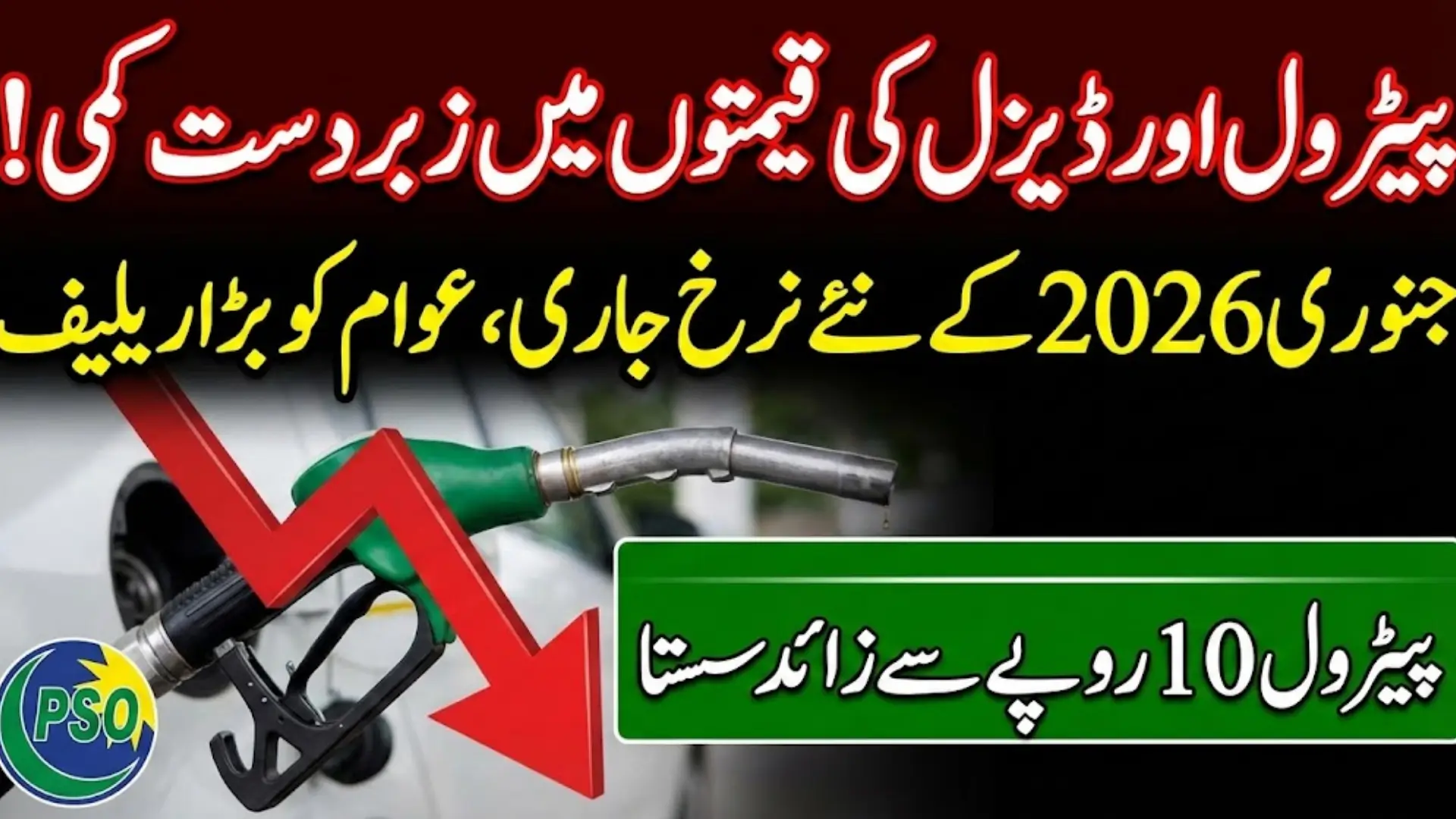
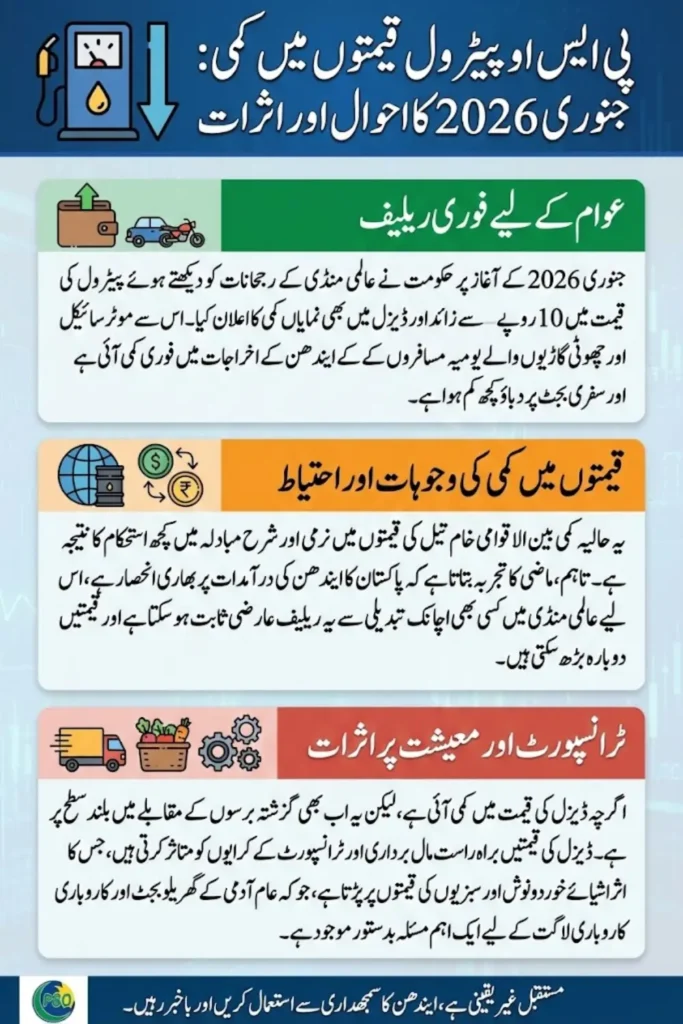
The beginning of 2026 brought some relief for petrol users, as prices saw a noticeable reduction compared to mid-December 2025. The government announced revised petroleum prices after reviewing international crude oil trends and exchange rate movements.
For most citizens, this change means slightly lower fuel expenses, especially for daily commuters who rely on motorcycles and small cars. However, for transporters and businesses, diesel prices remain a critical concern because they influence freight and food costs.
Key highlights of the January 2026 fuel update include:
- Petrol price reduced by more than Rs. 10 per liter
- High-speed diesel also saw a price cut
- Light diesel and kerosene prices remained unchanged
- Prices apply nationwide through PSO and other fuel companies
PSO Fuel Rates: What Consumers Are Paying Today
As of 1 January 2026, PSO is selling petroleum products at revised rates approved by the federal government. These prices are the same across Pakistan, ensuring uniformity for consumers in cities and rural areas alike.
Below is a clear overview of the current PSO fuel prices compared with the previous rates:
| Fuel Type | Old Price (PKR/Ltr) | New Price (PKR/Ltr) | Change |
|---|---|---|---|
| Petrol (Super) | 263.45 | 253.17 | -10.28 |
| High Speed Diesel | 265.65 | 257.08 | -8.57 |
| Light Speed Diesel | 159.76 | 159.76 | No Change |
| Kerosene Oil | 176.81 | 176.81 | No Change |
For petrol users, especially bike riders and small car owners, this reduction offers limited but welcome relief.
Petrol Price Cut: Relief or Temporary Pause?
The reduction in petrol price has been welcomed by the public, but many people remain cautious. Based on past experience, such relief often proves temporary due to Pakistan’s heavy dependence on imported fuel.
From what I have observed, whenever international crude oil prices soften or the rupee shows brief stability, local prices come down. However, any sudden change in global markets quickly reverses this trend.
This price cut:
- Helps daily commuters save some money
- Slightly reduces transportation costs
- Does not guarantee long-term price stability
Diesel Prices and Their Effect on Transport Costs
High-speed diesel is the backbone of Pakistan’s transport and agricultural sectors. Trucks, buses, tractors, and generators all rely on diesel, making its price extremely important for the economy.
Although diesel prices have decreased in January 2026, they are still high compared to previous years. Transporters often pass these costs directly to consumers through higher fares and increased prices of goods.
Diesel price impacts include:
- Higher food and vegetable prices
- Increased bus and wagon fares
- Higher operational costs for businesses
Light Diesel and Kerosene: Stable but Still Sensitive
Light diesel oil and kerosene prices remained unchanged in the latest review. These fuels are mainly used in rural areas and for specific machinery, making price stability important for low-income households.
Even though prices did not increase, these fuels remain vulnerable to future changes due to global oil market fluctuations and currency pressure.
Common users of these fuels include:
- Small industries and workshops
- Rural households
- Agricultural machinery
Where PSO Gets Its Pricing Power From
Many people believe PSO sets prices independently, but this is not the case. Fuel prices in Pakistan are regulated under a structured system involving the Oil and Gas Regulatory Authority (OGRA) and the federal government.
OGRA reviews international oil prices, import costs, and exchange rates before sending recommendations. The government then announces final prices.
The process ensures:
- Uniform prices across Pakistan
- Transparency in pricing mechanism
- Regular price reviews twice a month
International Oil Trends and Pakistan’s Fuel Bill
Pakistan imports most of its petroleum products, which means international crude oil prices heavily influence local fuel rates. Any tension in oil-producing regions or production cuts by oil-exporting countries directly impact Pakistan’s fuel import bill.
In recent years, global uncertainty has made fuel pricing unpredictable, and Pakistan often feels the effects within weeks.
Dollar vs Rupee: The Hidden Fuel Price Trigger
One of the biggest factors affecting petrol prices in Pakistan is the exchange rate. Since oil is traded in US dollars, any depreciation of the Pakistani rupee automatically raises fuel costs.
When the rupee weakens:
- Import costs increase
- Fuel prices rise even if crude oil rates remain stable
- Inflation pressure increases
Taxes, Levies, and the Real Petrol Cost
A significant portion of petrol and diesel prices in Pakistan consists of taxes and levies imposed by the government. These taxes are a major source of revenue but also make fuel expensive for consumers.
Components affecting final fuel prices include:
- Petroleum Development Levy (PDL)
- Sales tax (where applicable)
- Inland freight equalization margin
Refining and Distribution: Costs Beyond Crude Oil
Fuel pricing does not end with crude oil imports. Refining, storage, and distribution costs also add to the final price paid at petrol pumps.
Pakistan’s geography and infrastructure challenges increase transportation costs, especially for fuel supply to remote regions.
High-Octane Fuel: Premium Choice, Premium Price
High-octane petrol is not regulated by OGRA, which is why its price varies from pump to pump. This fuel is mainly used in high-performance engines and imported vehicles.
Important points about high-octane fuel:
- Higher octane rating improves engine performance
- Not necessary for all vehicles
- Significantly more expensive than regular petrol
Cleaner Fuel Standards and Engine Performance
Pakistan has adopted Euro V fuel standards, which help improve vehicle performance and reduce harmful emissions. This shift is important for environmental protection, especially in major cities.
Euro V fuel benefits include:
- Better engine efficiency
- Reduced smoke emissions
- Longer engine life
Long-Term Petrol Price Movement in Pakistan
Since 2018, petrol prices in Pakistan have shown extreme volatility. Currency devaluation, political instability, and rising global oil prices have all contributed to this trend.
A look at recent history shows that fuel prices rarely move downward for long periods.
How Fuel Prices Shape Daily Life
Fuel prices affect every household, whether directly or indirectly. From transport fares to grocery prices, petrol and diesel costs influence nearly everything.
Common impacts include:
- Reduced household purchasing power
- Increased cost of living
- Shift toward fuel-efficient vehicles
Can Pakistan Ever Stabilize Fuel Prices?
Complete control over fuel prices is not realistic due to global market dependence. However, the government can reduce pressure by managing taxes, improving fuel reserves, and stabilizing the currency.
Still, Pakistan’s reliance on imports remains the biggest challenge.
What to Expect in the Next Price Review
OGRA reviews fuel prices twice a month, on the 15th and last day of each month. The next review will depend on international crude prices and the dollar exchange rate.
Consumers should stay prepared for possible changes.
Final Thoughts
Fuel prices will likely remain unpredictable in the coming months. While the January 2026 petrol price cut offers temporary relief, long-term stability depends on economic reforms and global conditions.
For now, staying informed, planning travel wisely, and using fuel-efficient vehicles are the best ways for Pakistanis to manage rising fuel costs.